Why Business Registration is Important
Registering your business gives it legal identity, enables you to open bank accounts, apply for licenses, enter contracts, and gain customer trust. It’s a crucial first step in establishing your brand professionally and legally.
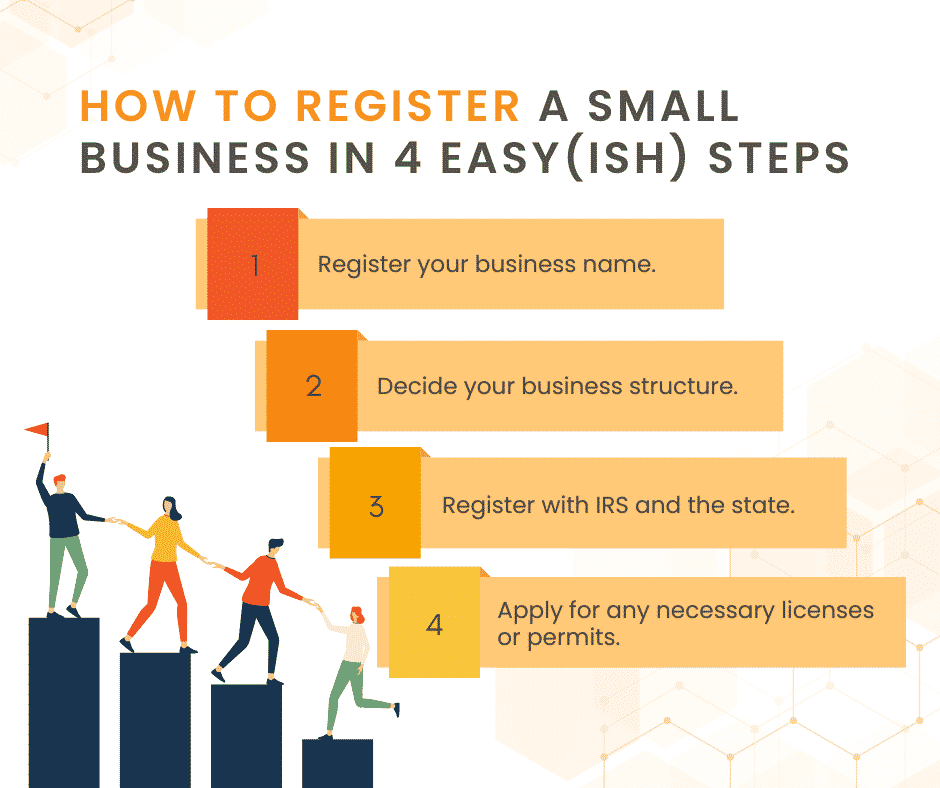
Step-by-Step Guide to Business Registration
1. Choose Your Business Structure: Decide if you want to register as a sole proprietorship, partnership, LLP, private limited company, etc. Each has different legal and tax implications.
2. Select a Unique Name: Your business name should be distinct and not infringe on existing trademarks. You can verify name availability on the Ministry of Corporate Affairs (MCA) website.
3. Apply for Digital Signature Certificate (DSC): A DSC is required to sign documents digitally during online registration, especially for LLPs and private limited companies.
4. Obtain Director Identification Number (DIN): This is needed for directors during the company incorporation process.
5. File Incorporation Documents: Prepare and file your incorporation application with necessary documents like ID/address proof, MOA, AOA, and address of the registered office.
6. Get PAN, TAN & GST: Once your business is registered, apply for PAN, TAN (for TDS), and GST based on your turnover or service category.
“Business registration is more than a legal formality — it's your foundation for growth and credibility.”
Common Mistakes to Avoid
• Not choosing the right structure
• Using a name that’s already registered
• Incomplete or incorrect documentation
• Ignoring state-specific licensing requirements
Conclusion
Registering your business is a critical step toward legitimacy and scalability. Take time to understand the legal requirements, follow the process carefully, and seek expert help if needed. Once registered, ensure compliance with ongoing regulations to operate smoothly.